Home Page

Meet us on campus or virtually
Attend an info session, event, or schedule a campus tour.
Coming to RIT/NTID is about getting access to opportunities and people who will support you and challenge you to be your best. It's about getting experiences that will shape you and take you where you want to go.
We are creating the most powerful, successful network of deaf and hard-of-hearing professionals in the world.
Join us and help move the world forward.
Learn More
If you would like to receive detailed information about RIT/NTID, please follow the link below.


Faces of RIT
-
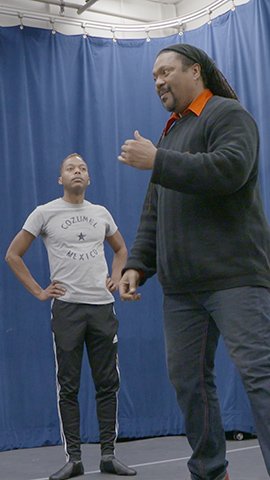
Visual Exploration
Fred Beam '85As outreach coordinator for Sunshine 2.0, a theater group at RIT's National Institute for the Deaf, Beam and his troupe provide performances and activities for deaf and hard-of-hearing children and adults that highlight the fields of deaf culture, literacy, and STEM.
-
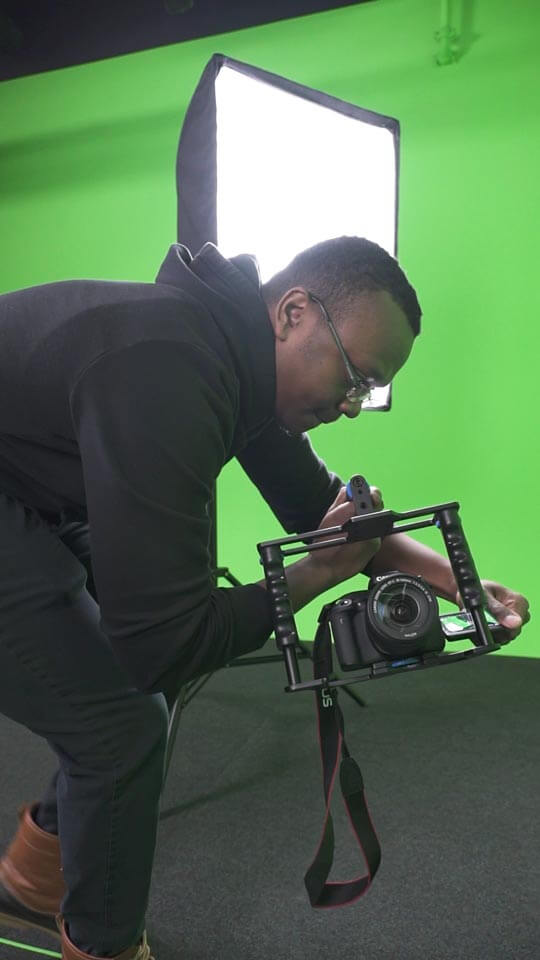
Bringing Deaf Culture to the Big Screen
Rydrea WalkerDesign and Imaging TechnologyWalker wants to share Deaf and hard-of-hearing stories to bridge the gap between cultures and represent the Deaf community in Hollywood.
-
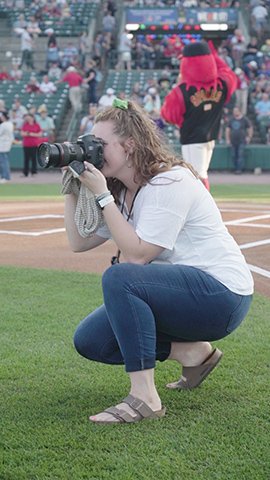
Picture Perfect
Amelia HamiltonPhotographyWith only a split second to get the perfect shot, Hamilton's passion for capturing emotion is an asset to creating authentic images in the moment.
-
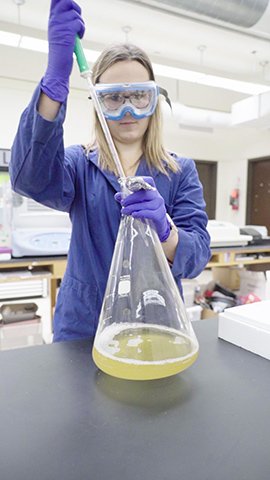
Medicine's Future
Nicole PannulloBiochemistryBy working on a faculty-guided research project, Pannullo has gained hands-on research experience to pursue a future in regenerative medicine. It’s one way Pannullo is putting experiential learning to work.
Meet the President and Dean

NTID has revolutionized education for deaf and hard-of-hearing students. Everything we do is focused on providing the education and experiences these students need to pursue their goals and lead successful lives. No other university in the world provides better support for deaf and hard-of-hearing students, and no other college provides better outcomes.
Latest News
-
May 9, 2025

Astro Teller encourages Class of 2025 to unlock their creativity and be grateful
Emphasizing the power of a creative mindset over mastering the pursuit of excellence, Astro Teller urged the Class of 2025 to embrace the journey ahead with curiosity, humility, and a willingness to be intentionally foolish.
-
May 8, 2025

RIT/NTID partners with Continued on courses for audiologists and speech-language pathologists
RIT/NTID is partnering with online learning platform Continued to host professional development courses for audiologists and speech-language pathologists now through spring 2026.
-
May 7, 2025
-
May 1, 2025

Crucial training pipeline for Deaf scientists dismantled by NIH funding cuts
Science speaks to Michelle Koplitz '08 (biotechnology), Sara Blick-Nitko '17 (professional studies), and Wyatte Hall '08 (psychology) about the impact of budget cuts on the Deaf Scientists Pipeline.

