Home Page

Creating the future of healthcare through groundbreaking technologies and radical collaborations
PHT180 is pleased to launch the
Proposal Development Accelerator Program
Submissions due April 13, 2026
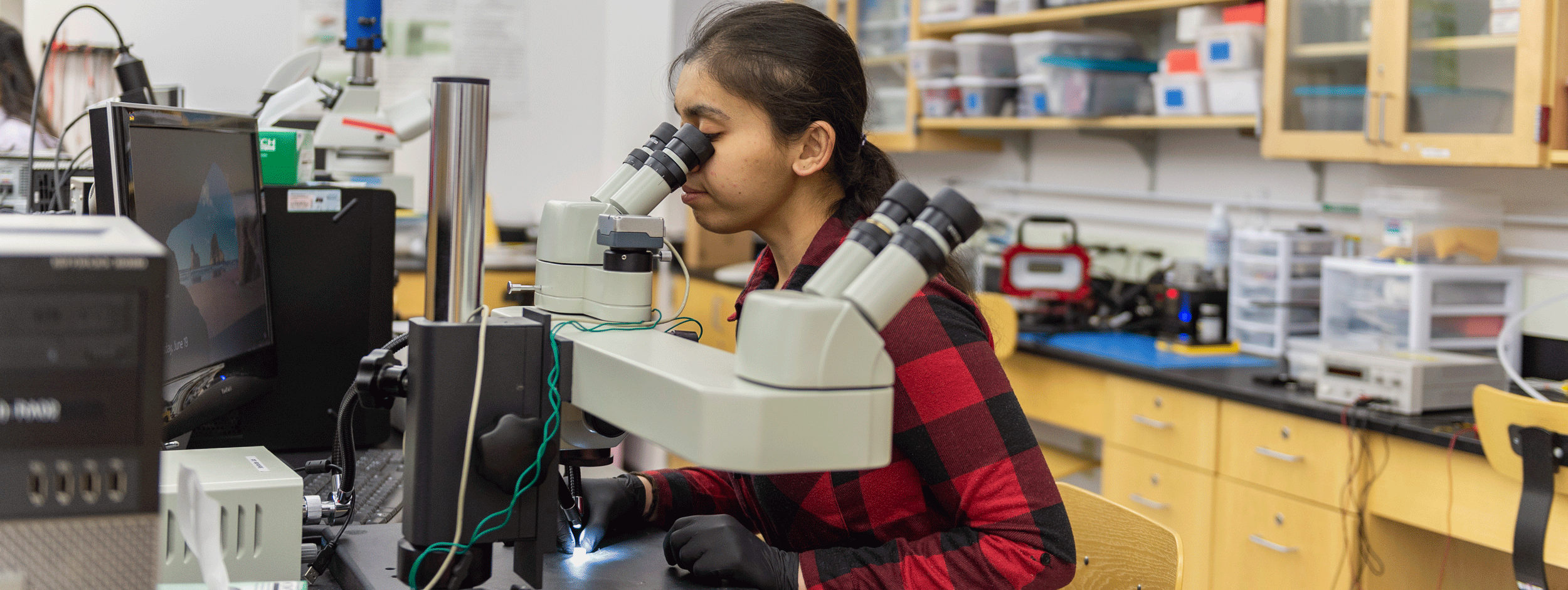
Are you a new faculty member looking for new research opportunities?
Become an affiliated faculty member and gain access to:
Grant Writing Support
Administrative Support
Collaborative Research Partners
Curated Grant Opportunities
Proposal Development Accelerator Program
Are you an active researcher looking for collaborators or administrative support?
Affiliate your funded research projects with the PHT180 research center to receive support services including:
Grant Management & Sponsor Reporting
Grant Review Roundtable
Data Visualization
Presentation & Technical Editing
Grant Writing Support

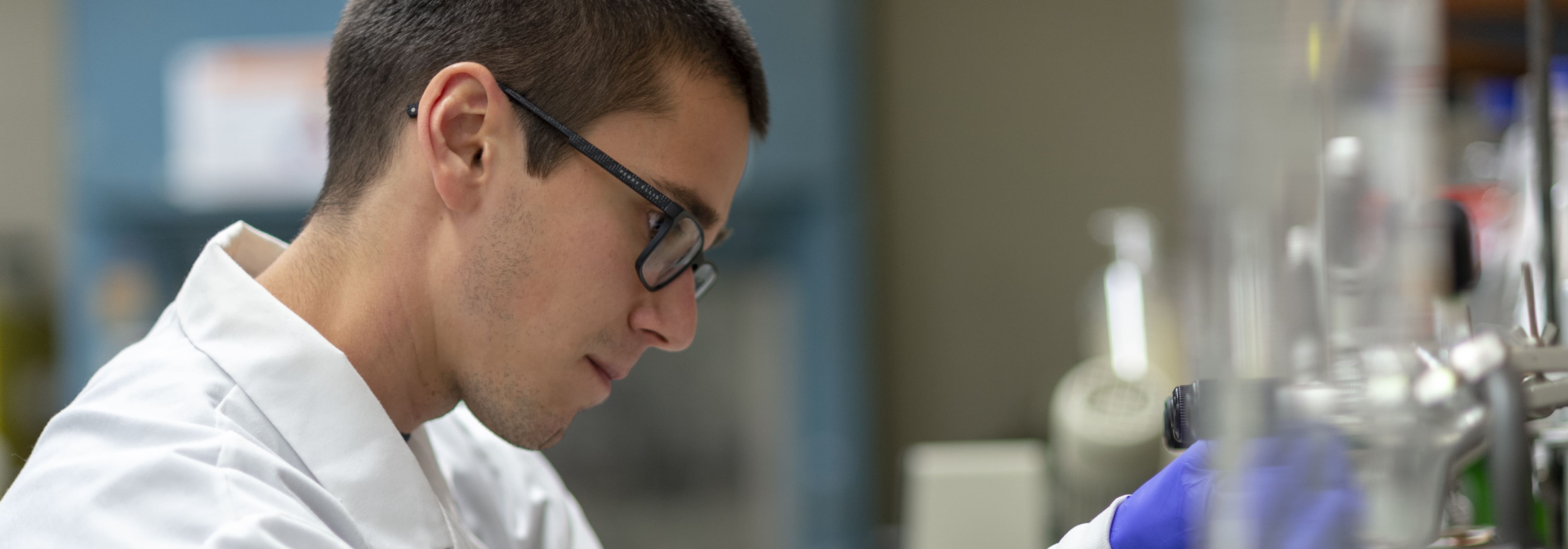
Are you an organization looking for revolutionary solutions?
Leverage our diverse abilities to translate findings into applied solutions and practice through expanded research and sponsorship:
Connect with Research Talent
Leverage Resources
Find New Solutions
Featured Project

Large Visual-Language Models Improve Dermatology Knowledge, Disease Detection and Diagnosis
In the era of AI, demand for rapid, accurate clinical diagnostic tools continues to grow. The main goal of Dr. Tao’s research program is to advance this field by studying reliable large visual-language models (LVLMs) for dermatology AI through clinically grounded visual reasoning and policy optimization. The resulting AI program will align dermatological knowledge with AI-powered image analysis and provide conversational assistance for early detection and diagnosis, enabling accessible preliminary screening to facilitate timely medical consultation.
Zhiqiang Tao, Principal Investigator
News
-
March 17, 2026

RIT research could slow fibrosis disease progression
Researchers in RIT's Tissue Regeneration and Mechanobiology Lab are investigating a new approach that could change how fibrosis is treated across organs in patients suffering from systemic sclerosis: targeting the protein TRPC6, a small ion channel—that can sense mechanical cues such as stiffness. -
February 23, 2026

RIT researcher studies how exercise could reduce the risk of aneurysm rupture
RIT Professor Zhongwang Dou recently received a prestigious National Science Foundation Faculty Early Career Development (CAREER) award for a five-year project to detail how blood flow within an aneurysm is affected by movement, and how physical exercise might affect the risk of aneurysm rupture.
-
February 17, 2026

RIT researchers formulate a new “recipe” for stronger bio-printed tissue
Researchers have developed a solution to finding a compatible gel medium to host human cells and a device that can print the delicate cells safely.
-
November 19, 2025

Venture Creations startup company is redefining breast cancer detection
BiRed Imaging, co-founded by Professor Satish Kandlikar, blends infrared camera capture, numerical simulation, and artificial intelligence-driven algorithms to accurately detect the presence, size, and location of tumors. The revolutionary process spares patients painful breast compression, radiation exposure, false alarms, and unnecessary anxiety.
Get Started With PHT180
Tackle problems in unconventional ways and engage with radically diverse teams!